

Producer Guides
How to Build a Better Producer Profile
Learn how music producers can build a stronger profile, showcase services, add better examples, write a clear bio, and attract more serious artist bookings.
AudToro Team · Jun 24, 2026 · 16 min read
A producer profile is more than a page with your name on it.
It is your first impression. It is your storefront. It is where artists decide whether you look professional, whether your sound fits them, and whether they feel comfortable booking you.
A lot of talented producers lose potential clients because their profile does not explain enough. They may have good beats, a solid studio setup, or years of experience, but if artists cannot quickly understand what they offer, what they sound like, where they are located, or how to book, they may move on.
Artists want confidence before they spend money.
They want to know:
- What kind of producer are you?
- What services do you offer?
- What genres do you work in?
- Can I hear examples of your work?
- Do you offer studio sessions?
- Do you work remotely?
- How much do your services cost?
- What is included?
- Do you seem professional?
- Can I trust you with my music?
A strong producer profile answers those questions before the artist has to ask.
This guide explains how to build a better producer profile, what to include, what mistakes to avoid, and how to make your profile more likely to turn views into real bookings.
Why Your Producer Profile Matters
Your profile is often the first place an artist sees your work.
Before an artist messages you, books a session, or pays for a service, they are looking for reasons to trust you. If your profile is empty, confusing, or unprofessional, they may assume your process is the same way.
A good producer profile can help you:
- Look more professional
- Explain your services clearly
- Attract artists who fit your sound
- Reduce repetitive questions
- Show proof of your work
- Build trust faster
- Increase booking interest
- Stand out from other producers
- Turn casual visitors into serious clients
A weak profile can do the opposite.
Even if you are talented, an unclear profile makes artists work too hard to figure out whether they should book you. The easier you make that decision, the better.
1. Start With a Clear Profile Photo or Logo
Your profile photo should look clean, real, and professional.
It does not have to be a high-budget photoshoot, but it should not look random, blurry, or unfinished.
Good profile image options include:
- A clear photo of you in the studio
- A professional headshot
- A clean producer logo
- A branded image connected to your producer name
- A photo of your studio setup
- A performance or behind-the-scenes image
Avoid using:
- Blurry screenshots
- Low-quality selfies
- Random memes
- Unreadable logos
- Images with too much text
- Photos that do not represent your music work
If you want artists to trust you, make your profile look like you take your work seriously.
A strong image makes the page feel more real. It also helps artists remember you after they compare multiple producers.
2. Write a Bio That Explains Who You Are
Your bio should be short, clear, and useful.
A lot of producers either write almost nothing or write something too vague.
Weak bio examples:
“Producer. Engineer. Tap in.”
“I make beats and record.”
“Best producer in the city.”
“DM for work.”
Those do not tell the artist enough.
A better bio explains:
- Who you are
- Where you are based
- What genres you work in
- What services you offer
- What kind of artists you help
- What makes your sound or process different
Example:
“I’m a music producer and recording engineer based in Birmingham, Alabama. I work with hip-hop, R&B, and melodic rap artists, offering vocal recording, custom beat production, mixing, and full-song production. My goal is to help artists leave every session with a cleaner sound, stronger performance, and a track they feel confident building around.”
That bio is specific. It tells the artist what you do, where you are, and who you help.
Your bio does not need to be long. It needs to be clear.
3. Make Your Services Easy to Understand
Artists should not have to guess what they can book.
Your profile should clearly list the services you offer.
Common producer services include:
- Studio recording sessions
- Vocal recording
- Mixing
- Mastering
- Beat production
- Custom beats
- Full song production
- Vocal editing
- Vocal tuning
- Remote mixing
- Remote mastering
- Song arrangement
- Demo recording
- Artist development sessions
- Project feedback
Do not just say “music services.” Be specific.
A clear service listing may look like this:
Studio Recording Session
In-person vocal recording with engineering, basic editing, and rough mix.
Remote Mixing
Full mix for one song, including vocal cleanup, EQ, compression, reverb, delay, and two revisions.
Custom Beat Production
Original beat built around the artist’s style, including WAV delivery and one revision.
Full Song Production
Production, arrangement, recording support, mixing, and mastering for artists who want a more complete track.
Clear services help artists know exactly what they are paying for.
4. Explain What Is Included
Listing a service is good. Explaining what is included is better.
For example, “studio session” can mean different things to different people. One producer may include only room time. Another may include engineering, basic editing, and a rough mix. Another may include full mixing.
That is why you should define each offer.
For every service, try to answer:
- What does the artist receive?
- How long does it take?
- Is it in-person or remote?
- Are revisions included?
- What files are delivered?
- Is mixing included?
- Is mastering included?
- What does the artist need to provide?
Example:
2-Hour Recording Session
Includes vocal recording, engineering, basic editing, and a rough MP3 bounce. Best for artists who already have lyrics and a beat ready. Mixing and mastering are not included unless added separately.
This prevents confusion and makes the booking process smoother.
The clearer your offer is, the fewer problems you will have later.
5. Add Strong Audio Examples
Your audio examples are one of the most important parts of your profile.
Artists want to hear what you can do.
Your examples should show your real skill. Do not only upload random beats if you also offer recording, mixing, or full song production. Show examples that match the services you want to sell.
If you offer recording sessions, include songs where the vocals sound clean.
If you offer mixing, include before-and-after examples when possible.
If you offer beat production, include beats in the styles you want to be booked for.
If you offer multiple genres, organize examples by genre.
Possible audio sections:
- Hip-hop production
- R&B production
- Pop vocal mixes
- Trap beats
- Rock recording
- Country demos
- Gospel vocals
- Before and after mixes
- Full song production examples
Quality matters more than quantity.
It is better to show five strong examples than twenty average ones.
6. Show Your Genre Strengths
Artists usually look for producers who understand their sound.
If you work in specific genres, say that clearly.
Examples:
- Hip-hop
- R&B
- pop
- trap
- melodic rap
- country
- rock
- metal
- gospel
- soul
- electronic
- alternative
- acoustic
- indie
Do not list every genre just to look versatile. If you claim every genre but only show trap beats, artists in other genres may not trust the profile.
Be honest about your strengths.
You can say:
“I mainly work with hip-hop, R&B, and melodic rap artists, but I also offer mixing for pop and alternative vocals.”
That is better than pretending to specialize in everything.
The right artists should be able to look at your profile and quickly think:
“This producer understands what I am trying to make.”
7. Add Studio or Setup Photos
Photos help artists feel more comfortable booking.
If you offer in-person sessions, show the space where artists will record. If you work remotely, show your production setup.
Good photos can include:
- Recording booth
- Microphone setup
- Desk and monitors
- MIDI keyboard
- DAW screen
- Studio room
- Vocal chain
- Headphones and equipment
- Comfortable artist area
- Behind-the-scenes session photos
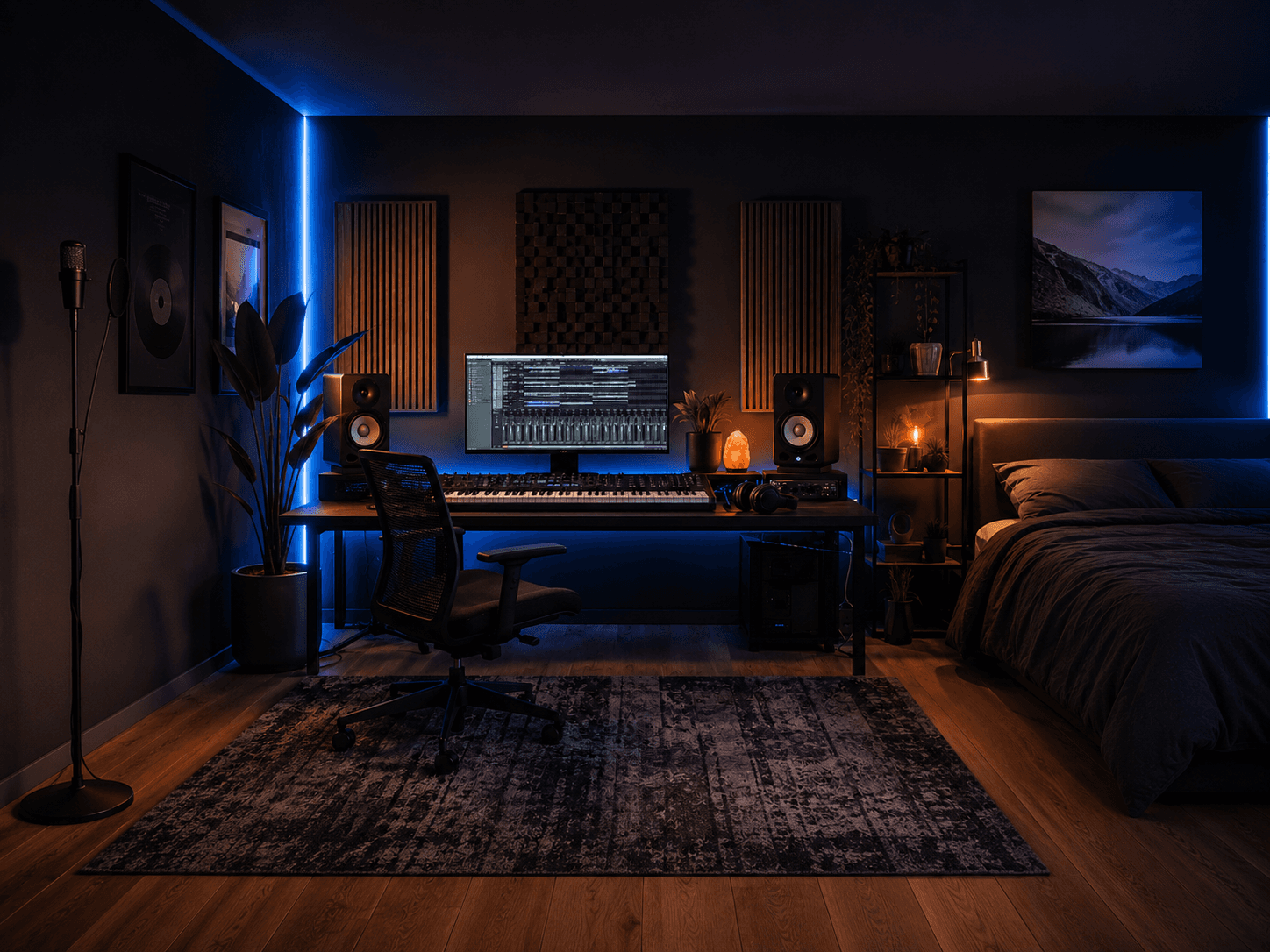
Your studio does not have to be huge. A clean, organized bedroom studio can still look professional if the setup is real and the quality is strong.
Avoid photos that make the space look messy, unsafe, or unprofessional.
Artists want to know they are booking someone who takes the environment seriously.
8. Be Clear About Location and Remote Work
Your profile should clearly say whether you work locally, remotely, or both.
If you offer in-person sessions, list your general location.
Examples:
- Birmingham, Alabama
- Huntsville, Alabama
- Florence / Muscle Shoals
- Tuscaloosa, Alabama
- Chattanooga, Tennessee
- Atlanta, Georgia
- Nashville, Tennessee
You do not need to list your private address publicly. But artists should know the city or area you serve.
Also list whether you offer remote services.
Remote services may include:
- Mixing
- Mastering
- Beat production
- Custom production
- Vocal editing
- Song arrangement
- Project feedback
- Demo improvement
Example:
“Available for in-person recording sessions in Birmingham and remote mixing/mastering nationwide.”
This helps both local and remote artists know whether they can work with you.
9. Add Pricing or Starting Rates
Clear pricing can help you get more serious inquiries.
Some producers avoid listing prices because every project is different. That is understandable. But even if you do not list exact prices for everything, you should give artists a starting point.
Examples:
- Studio sessions starting at $50/hour
- Mixing starting at $150/song
- Mastering starting at $50/song
- Custom beats starting at $200
- Full song production available by quote
- 2-hour recording package available
- Remote mixing packages available
Starting prices help artists understand whether they are in the right range before messaging you.
This saves time for both sides.
Clear pricing also makes you look more professional. It shows that your services are real and organized.
10. Create Service Packages
Packages make it easier for artists to choose.
Many artists do not know whether they need recording, mixing, mastering, or full production. A package helps them pick based on their goal.
Example packages:
First Recording Session
Best for new artists recording their first song.
Includes:
- 2-hour recording session
- Vocal tracking
- Basic editing
- Rough mix
- MP3 bounce
Single Release Package
Best for artists who want a more complete song.
Includes:
- Recording session
- Vocal editing
- Full mix
- Master
- WAV and MP3 delivery
- Two revisions
Remote Mix Package
Best for artists who already recorded vocals.
Includes:
- Full mix for one song
- Vocal cleanup
- EQ and compression
- Effects
- Two revisions
- Final WAV and MP3
Custom Beat Package
Best for artists who need original production.
Includes:
- Custom beat
- WAV delivery
- One revision
- Optional trackouts
Packages turn your profile from a basic listing into a real service menu.
11. Explain Your Process
Artists like knowing what happens after they book.
A simple process section can make your profile feel more professional.
Example:
How My Sessions Work
- We confirm your song, genre, and session goal.
- You send the beat, lyrics, and any reference tracks.
- We record vocals during the booked session.
- I provide basic editing and a rough bounce.
- If mixing or mastering is included, I send a draft for review.
- You request revisions if included.
- Final files are delivered after approval.
This helps artists understand the workflow before they pay.
It also reduces confusion because you are setting expectations early.
12. Tell Artists What to Prepare
A producer profile should not only sell. It should help artists prepare.
Tell artists what they need before booking.
For a recording session, artists may need:
- Finished lyrics
- Beat or instrumental file
- Reference tracks
- Song structure
- Notes about the sound they want
- Water
- Backup files
- Clear session goal
For remote mixing, artists may need:
- Clean vocal stems
- Beat file
- BPM
- Reference mix
- Notes
- Correct file format
- Dry vocals without effects unless requested
Adding this information makes you look organized. It also helps the session go better.
Artists are more likely to trust producers who guide the process.
13. Add Testimonials or Reviews
Testimonials can make a big difference.
Artists want to know whether other artists had a good experience working with you.
Good testimonials do not have to be long.
Examples:
“Great session. He helped me get my vocals clean and made the process easy.”
“Professional setup and clear communication. I’ll definitely book again.”
“She helped me finish my first song and made me feel comfortable recording.”
“Fast turnaround and clean mix. The song came out better than expected.”
After a good session, ask the artist for a short review. Over time, reviews build trust and make your profile stronger.
Social proof matters, especially when artists are deciding between multiple producers.
14. Mention Credits Without Overdoing It
If you have credits, list them.
Credits can include:
- Artists you have worked with
- Songs you produced
- Projects you mixed
- Studios you have worked with
- Placements
- Local acts
- Sync work
- Live recording experience
- Engineering credits
You do not need major industry credits to look professional.
Local credits still matter. Independent artist credits still matter. Real work matters.
Example:
“Produced and engineered releases for independent hip-hop and R&B artists across Alabama.”
That is better than pretending you have credits you do not have.
Be honest. Artists respect real experience.
15. Keep Your Profile Updated
An outdated profile can cost you bookings.
Update your profile when:
- Your prices change
- You add a new service
- You improve your studio
- You get new work examples
- You move locations
- You add remote services
- You change availability
- You collect new testimonials
- You add new packages
- You upgrade equipment
A profile should grow as your business grows.
If your best work is from this year, do not let your page only show old examples. If your pricing has changed, update it before artists book. If you no longer offer a service, remove it.
A current profile shows that you are active and serious.
16. Avoid Overpromising
A strong profile should be confident, but not unrealistic.
Avoid claims like:
- “Guaranteed hit song”
- “Guaranteed streams”
- “I’ll make you famous”
- “Industry quality instantly”
- “Best producer alive”
- “Your song will blow up”
These claims can make your profile feel less trustworthy.
Instead, focus on real value.
Say things like:
- “Clean vocal recording”
- “Clear mix with two revisions”
- “Professional session workflow”
- “Custom production built around your sound”
- “Remote mixing with organized file delivery”
- “Focused on helping artists leave prepared and confident”
Artists do not need fake promises. They need confidence that you can deliver what you offer.
17. Make Your Profile Easy to Read
Do not make artists dig through a wall of text.
Your profile should be organized with clear sections.
Good sections include:
- About
- Services
- Genres
- Location
- Remote availability
- Pricing
- Audio examples
- Studio photos
- Process
- What to prepare
- Reviews
- Policies
Use short paragraphs. Keep service descriptions clear. Avoid long, confusing bios.
The goal is for an artist to understand your profile quickly.
A clean profile makes you look more professional.
18. Add Clear Policies
Policies protect both you and the artist.
Your profile should explain important rules around:
- Deposits
- Payment
- Cancellations
- Rescheduling
- Late arrivals
- Guest limits
- Revisions
- File delivery
- Turnaround time
- Stems
- Session files
- Rush delivery
You do not need to make the profile sound overly strict, but you should make expectations clear.
Example:
“Sessions may be rescheduled with at least 24 hours’ notice. Mixing services include two revisions. Additional revisions may require an extra fee.”
Clear policies reduce confusion and help serious clients respect your process.
19. Show Personality Without Losing Professionalism
Artists want to know what kind of person they are working with.
Your profile should sound like you, but still feel professional.
It is okay to mention your creative approach.
Examples:
“I like helping artists find the strongest vocal take instead of rushing through the session.”
“My production style focuses on hard drums, dark melodies, and clean vocal space.”
“I work best with artists who come prepared and want honest feedback.”
“I enjoy helping new artists feel comfortable during their first session.”
This gives artists a better sense of your working style.
A strong profile does not have to be boring. It just needs to be clear and trustworthy.
20. Make It Obvious How to Book You
The final step is simple: make booking easy.
After reading your profile, an artist should know exactly what to do next.
Your profile should direct them toward:
- Booking a session
- Sending a message
- Choosing a service
- Requesting a quote
- Uploading files
- Starting a remote project
Do not make artists guess.
A strong call to action could be:
“Ready to record? Book a studio session and send your beat, lyrics, and reference tracks before your session.”
Or:
“Need a mix? Start a remote mixing project and upload your stems.”
Or:
“Not sure what you need? Message me with your song goal and I’ll recommend the best service.”
A clear next step helps turn profile views into paid work.
Common Producer Profile Mistakes
Here are mistakes that can make artists leave your profile.
No audio examples
Artists need to hear your work before they trust you.
Vague services
“Music services” is not specific enough.
No pricing or starting rates
Artists may not message if they have no idea what you charge.
No location
If you offer in-person sessions, artists need to know your city or area.
No remote information
If you work remotely, say so clearly.
Low-quality photos
Blurry or random images make the profile feel less professional.
Overpromising
Do not guarantee fame, streams, or success.
Too much slang and not enough information
Your personality matters, but artists still need clear details.
No file delivery information
Artists should know what they receive after the session or project.
Outdated profile
Old prices, old examples, or missing services can create confusion.
Fixing these issues can immediately make your profile stronger.
Producer Profile Checklist
Before publishing your profile, make sure it includes:
- Clear profile photo or logo
- Short professional bio
- Location
- Remote availability
- Genres
- Services
- Service descriptions
- Pricing or starting rates
- Audio examples
- Studio or setup photos
- Process explanation
- What artists should prepare
- Reviews or testimonials
- File delivery details
- Revision policy
- Cancellation or rescheduling policy
- Clear call to action
A complete profile makes you easier to trust, easier to understand, and easier to book.
How AudToro Helps Producers Build Better Profiles
AudToro is designed to help producers present their services in a more professional way.
Instead of relying only on DMs, scattered social media posts, or unclear price conversations, AudToro gives producers a place to show who they are, what they offer, and how artists can work with them.
For producers, AudToro can help with:
- Creating a producer profile
- Listing services clearly
- Showing audio examples
- Displaying location and remote availability
- Communicating with artists
- Managing booking interest
- Organizing project details
- Uploading deliverables
- Handling approvals
- Building a more professional client workflow
For artists, AudToro makes it easier to compare producers, understand services, ask questions, and book music work with more confidence.
A better profile helps both sides. Artists get more clarity, and producers get better opportunities.
Final Thoughts
A better producer profile can help you get more clients, but it has to do more than look good.
It needs to clearly explain who you are, what you offer, what genres you work in, what artists can expect, how much your services cost, and why they should trust you.
Your profile should answer questions before artists have to ask them. It should show your work, explain your process, and make booking simple.
Talent matters, but presentation matters too. The easier you are to understand and trust, the easier it becomes for artists to book you.
If you are a producer trying to turn your sound into serious work, AudToro is being built to help you show your services, connect with artists, and manage music projects more professionally.
Build your profile. Show your sound. Get booked with AudToro.
FAQ
What should a music producer profile include?
A music producer profile should include a clear bio, profile photo, location, genres, services, pricing or starting rates, audio examples, studio photos, remote availability, reviews, file delivery details, policies, and a clear way to book.
How can producers make their profile stand out?
Producers can stand out by showing strong audio examples, writing clear service descriptions, explaining their process, adding testimonials, listing genres, using quality photos, and making booking easy for artists.
Should producers list prices on their profile?
Producers should consider listing starting rates or package prices. Clear pricing helps artists understand what to expect and can lead to more serious booking inquiries.
What audio examples should producers upload?
Producers should upload examples that match the services they want to sell. If they offer recording, show clean vocal recordings. If they offer mixing, show mix examples. If they sell beats, show production examples in their strongest genres.
Should producers include their location?
Yes, especially if they offer in-person studio sessions. Producers should list their city or general area. They do not need to publish a private address publicly.
How often should producers update their profile?
Producers should update their profile whenever their services, prices, work examples, availability, location, equipment, or policies change. Keeping the profile current helps avoid confusion.
How does a better profile help producers get clients?
A better profile builds trust, answers artist questions, shows proof of work, explains pricing, and makes booking easier. Artists are more likely to contact or book a producer when the profile feels complete and professional.